
Quick answer: Gemini is a U.S.-based, fully regulated cryptocurrency exchange founded in 2014 by Cameron and Tyler Winklevoss, and it is known above all for security. It was the first crypto exchange to pass bank-grade security audits and has never suffered a platform-level hack. Available in all 50 states, it offers roughly 90-plus cryptocurrencies, staking, a regulated stablecoin, and a crypto rewards credit card. The main drawbacks are high fees on its simple buy interface, which you can largely avoid by using the ActiveTrader platform where fees drop to around 0.20% to 0.40%, a smaller coin selection than rivals, and the reputational damage from its shuttered Earn program. It is best for security- and regulation-focused U.S. investors who value safety over the lowest fees.
(Note: this review covers the Gemini cryptocurrency exchange, not Google’s Gemini AI.)
After a string of exchange failures and hacks across the industry, where you hold your crypto matters more than ever. Gemini has built its entire reputation on being the safe, regulated choice for U.S. investors. But that security comes at a price, and the platform has a few trade-offs worth understanding. This honest review breaks down Gemini’s security, fees, features, and the Earn controversy, and helps you decide if it is right for you.
What is Gemini?
Gemini is a centralized cryptocurrency exchange founded in 2014 by twins Cameron and Tyler Winklevoss. Based in New York, it operates as a New York trust company under the supervision of the New York Department of Financial Services (NYDFS), one of the strictest financial regulators in the country, and it is available to users in all 50 states.
Over the years, Gemini has grown from a pure crypto exchange into a broader platform, adding staking, a stablecoin, a credit card, and more. But its identity has always centered on one thing: being the most regulated, security-first option for American crypto users. That regulatory positioning is widely seen as making it lower risk than many offshore exchanges.
Gemini’s security: the main selling point
Security is where Gemini genuinely shines, and it is the biggest reason to consider the platform. Gemini was the first crypto exchange to pass bank-grade security audits, earning SOC security certifications that most competitors lack, and it has never suffered a platform-level hack.
Its protections are extensive and include:
- Two-factor authentication required on all accounts.
- Hardware security key support for stronger login protection.
- Withdrawal address allowlisting, so funds can only go to pre-approved addresses.
- Cold, offline storage for the majority of assets.
- Device management, account notifications, and Withdrawal Protection.
On insurance, Gemini carries commercial insurance on crypto held in its online hot wallet, and U.S. dollar balances held at its banking partners can be FDIC-eligible up to $250,000 through pass-through coverage. One crucial caveat applies across the whole industry, though: cryptocurrency itself has no blanket FDIC or SIPC protection, so your coins are not government-insured the way a bank deposit is.
Gemini fees: what you actually pay
Here is the biggest drawback, and the thing to understand before you sign up. Gemini’s fees depend heavily on which interface you use, and the difference is enormous.
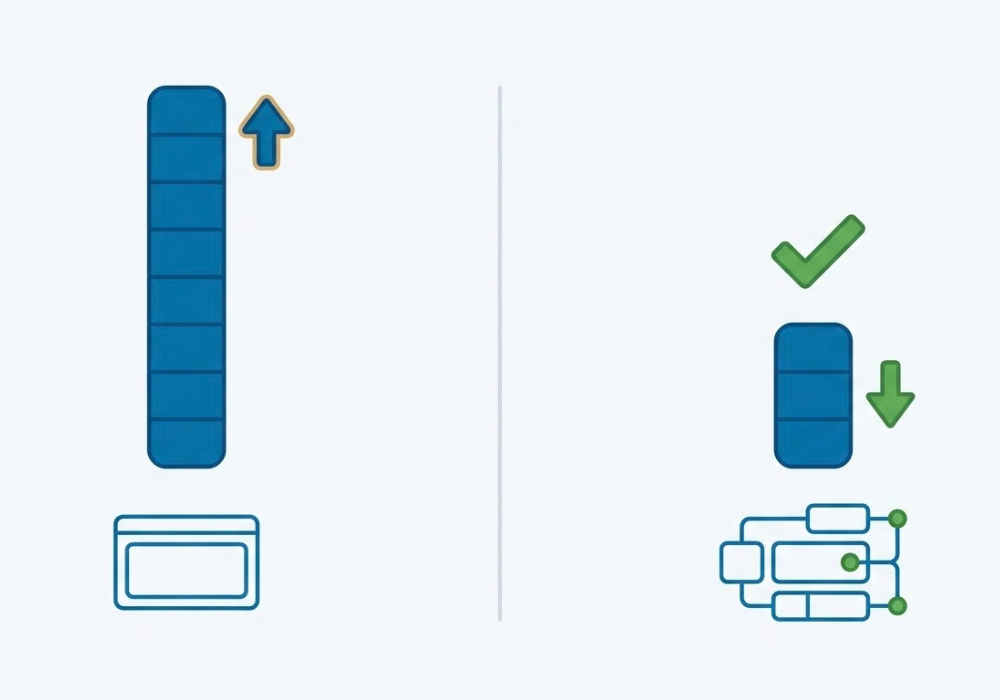
The simple Gemini buy interface, the easy point-and-click option, is expensive. A basic purchase can run around 1.49% to 2.49% plus a spread, which can total roughly 2.47% all-in, or about $24.70 on a $1,000 order, among the highest of any major exchange. The fix is ActiveTrader, Gemini’s advanced trading platform, where fees drop dramatically to around 0.20% maker and 0.40% taker, with volume-based tiers that go lower as you trade more. The single most important tip for using Gemini is to trade on ActiveTrader rather than the simple interface for anything beyond an occasional tiny purchase.
Here is a simplified fee picture, which varies by tier and volume, so verify current rates:
| Action | Simple / Instant Buy | ActiveTrader |
|---|---|---|
| Trading fee | High, roughly 1.49% to 2.49% plus a spread | Lower, around 0.20% maker and 0.40% taker |
| Crypto deposits | Free | Free |
| Crypto withdrawals | A dynamic network fee, passed through at cost | A dynamic network fee, passed through at cost |
| Card purchases | About 3.49% by card, about 2.5% via PayPal | Not applicable |
Bank deposits by ACH are free, while wire transfers carry a fee. Crypto withdrawals cost only the real-time network fee, which Gemini passes through rather than marking up. And remember that selling or trading crypto can trigger a tax bill, so it is worth understanding how crypto taxes work before you trade actively.
What you can do on Gemini
Beyond buying and selling, Gemini offers a full feature set:
- Staking. You can stake supported proof-of-stake assets, including Ethereum, Solana, and Monad in eligible regions, with no minimum and the ability to unstake anytime. Note that Gemini keeps a portion of your staking rewards as a service fee, commonly cited in the range of about 15% to 30% or more.
- Gemini Dollar (GUSD). A regulated, dollar-pegged stablecoin issued by Gemini.
- Gemini Credit Card. A Mastercard that earns up to 3% back in crypto on purchases with no annual fee, supporting dozens of crypto assets, with new auto-staking features added in 2026.
- ActiveTrader. The advanced, lower-fee trading interface with professional charting and order types.
- Recurring buys, to dollar-cost average automatically.
- Cryptopedia, a free educational library, plus an OTC desk for large trades.
The Gemini Earn story: an honest caveat
No Gemini review is complete without this. Gemini previously ran a popular lending program called Gemini Earn, which paid interest on crypto. In late 2022, its lending partner Genesis collapsed, and combined with SEC action, the program was shut down and Earn customers lost access to their funds. While the situation was later largely resolved, it was a significant blow to user trust and remains the platform’s main reputational scar.
The practical takeaway: Earn no longer exists, and staking is now the main way to earn yield on Gemini. It is also a reminder of a broader truth, that crypto lending and yield programs carry real counterparty risk, no matter how reputable the platform.
Supported cryptocurrencies
Gemini supports roughly 90-plus cryptocurrencies and several hundred trading pairs. That covers the major coins most investors want, but it is a notably smaller selection than crypto-first exchanges like Coinbase, Kraken, or Binance. If you are hunting for a wide range of smaller altcoins, Gemini’s lineup may feel limited, which is a genuine drawback for some traders.
Pros and cons of Gemini
The upside:
- Top-tier security and regulation, as a NYDFS-regulated trust company with bank-grade audits.
- Never suffered a platform-level hack, a strong track record.
- A clean, trustworthy platform well suited to U.S. users and cautious first-timers.
- Competitive ActiveTrader fees for those who use the advanced interface.
- A full feature set, including staking, a stablecoin, and a crypto rewards card.
The trade-offs:
- High fees on the simple buy interface, among the highest tested.
- A smaller coin selection than major crypto-first rivals.
- The Gemini Earn freeze damaged trust and remains a caveat.
- Limited customer support, which runs mainly through email with no general phone line.
Who is Gemini best for?
Gemini is an excellent fit if you prioritize security and regulatory compliance above all else, you are a U.S. investor who wants a low-risk, well-regulated home for mainstream coins, and you are willing to use ActiveTrader to keep fees reasonable. For security-conscious investors, it is one of the most dependable U.S. options available.
It is less ideal if you are highly fee-sensitive and only want the simple buy screen, if you want access to a large range of smaller altcoins, or if you rely on phone-based customer support. In those cases, a competitor may serve you better.
Is Gemini safe and legit?
Yes. Gemini is a legitimate, fully regulated U.S. exchange with industry-leading security, strong oversight from the NYDFS, bank-grade audits, and no history of a platform-level hack. For the safety of the exchange itself, it is among the most trustworthy options.
That said, two honest caveats apply. First, cryptocurrency itself is highly volatile and is not government-insured, so the asset carries risk regardless of how secure the exchange is. Second, the Earn episode showed that yield and lending products add counterparty risk. Using Gemini for straightforward, compliant spot trading and self-managed holdings is where its strengths matter most.
How to open a Gemini account
- Sign up on the Gemini website or app with your email and a strong password.
- Verify your identity by providing the required personal information and documents, as a regulated exchange requires.
- Secure your account by enabling two-factor authentication and, ideally, a hardware security key.
- Link a funding method, such as a bank account via ACH, which is free.
- Use ActiveTrader rather than the simple buy screen to keep your trading fees low.
Frequently asked questions
What is Gemini crypto?
Gemini is a U.S.-based, fully regulated cryptocurrency exchange founded in 2014 by the Winklevoss twins. It lets you buy, sell, store, and stake crypto, and it is known for strong security and regulatory compliance as a New York trust company available in all 50 states.
Is Gemini safe?
Yes, Gemini is among the most secure and regulated U.S. exchanges. It was the first to pass bank-grade security audits, uses features like two-factor authentication, hardware keys, and cold storage, and has never had a platform-level hack. However, crypto itself is volatile and not government-insured.
Why are Gemini’s fees so high?
Gemini’s simple buy interface charges high fees, roughly 1.49% to 2.49% plus a spread. The fix is to use Gemini’s ActiveTrader platform, where fees drop to around 0.20% maker and 0.40% taker, far lower, so ActiveTrader is the way to avoid Gemini’s high simple-buy costs.
Does Gemini offer staking?
Yes. Gemini supports staking on proof-of-stake assets like Ethereum, Solana, and Monad in eligible regions, with no minimum and the ability to unstake anytime. Gemini keeps a portion of your staking rewards as a service fee, commonly cited around 15% to 30% or more.
What happened to Gemini Earn?
Gemini Earn was a lending program that paid interest on crypto. When its partner Genesis collapsed in late 2022, and amid SEC action, the program was shut down and customers lost access to their funds. The situation was later largely resolved, but it damaged trust, and Earn no longer exists.
How many cryptocurrencies does Gemini support?
Gemini supports roughly 90-plus cryptocurrencies and several hundred trading pairs, covering the major coins. This is a smaller selection than crypto-first exchanges like Coinbase, Kraken, or Binance, which may matter if you want a wide range of smaller altcoins.
Is my crypto on Gemini insured?
Gemini carries commercial insurance on crypto held in its online hot wallet, and USD balances can be FDIC-eligible through pass-through coverage. However, cryptocurrency has no blanket FDIC or SIPC protection, so your coins are not government-insured the way a bank deposit is.
This article is for educational and informational purposes only and is not financial or investment advice, and it is not affiliated with or endorsed by Gemini. Fees, features, supported assets, and terms change over time, and any figures reflect 2026. Cryptocurrency is highly volatile and not government-insured. Verify current details directly with Gemini and do your own research before trading.

This Post Has One Comment